Before you begin
- Eligible Shop Campaigns can now fund promoted results in shopping tools using Shopify's Catalog API.
- The added campaign commission currently applies to US campaigns in US dollars and purchases completed in Shop.
- The merchant's advertising cost and the referring developer's commission are different amounts.
- Access for developers is limited, and a campaign cannot guarantee an AI recommendation or a sale.
What is a Shop Campaign?
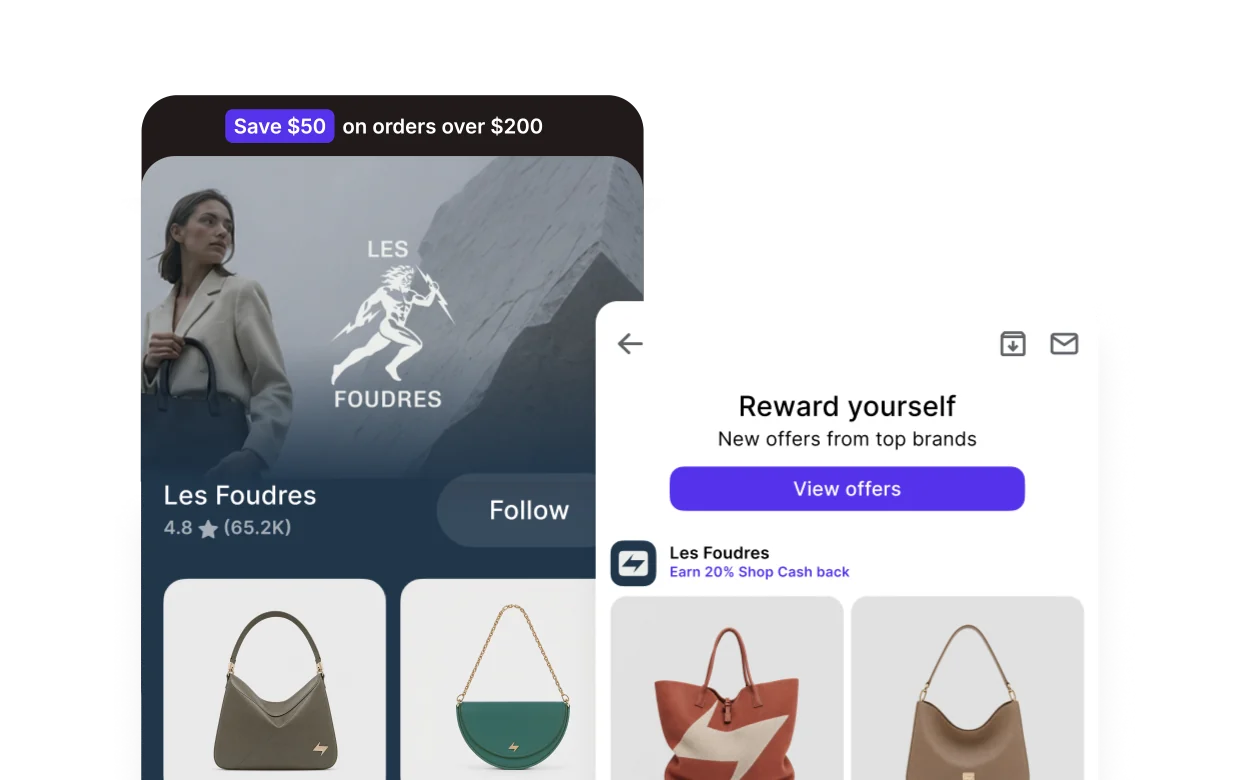
A Shop Campaign is a paid promotion you set up through Shopify's advertising program, Shop Campaigns. You choose a daily budget and the average amount you're willing to pay to acquire a customer. Shopify promotes products from your store and bills you for orders credited to the campaign.
Campaigns run on the Shop app, shop.com and Shopify Product Network, with optional advertising on other platforms. You manage them in Shopify admin under Shop > Advertising.
Yes, through shopping tools connected to Shopify
If you run an eligible Shop Campaign and allow advertising on other platforms, your products can appear in promoted results through Shopify's Catalog API. That's a service developers use to search product information when building shopping apps and AI assistants.
Shopify announced the change on October 27, 2026. Merchants already running Shop Campaigns with external platforms enabled now include the Catalog API among those platforms. Participating developers can earn a commission when their recommendations lead to eligible purchases.
A campaign gives your products a route into those shopping experiences. It doesn't guarantee that an assistant will show your product, place it first, or bring you an order.
Follow a product from the campaign to checkout
Imagine someone asking a participating shopping assistant for a lightweight rain jacket. This is an example, not a campaign we tested.
The merchant runs a campaign
A jacket seller has an active, eligible Shop Campaign with advertising on other platforms enabled.
The shopping tool requests products
Its developer uses Shopify's catalog and has joined the promoted placements program. Shopify can return promoted products alongside unpaid results.
The shopper opens a recommendation
The tool identifies the paid placement. For a product with merchant-funded commission, the link takes the shopper to Shop, on shop.com or in the Shop app.
An eligible purchase earns commission
If the shopper follows the tracked link and completes a qualifying purchase, the referring developer can earn commission. The merchant's campaign is billed under Shop Campaigns rules.
Who pays, and who gets paid?
| Amount | What it means |
|---|---|
| Merchant acquisition cost | Your advertising charge for an order credited to the campaign, added to your Shopify bill. |
| Referring developer's commission | What the shopping tool's developer earns on an eligible purchase. Shopify funding can be combined with funding from the merchant's campaign. |
| Shopper offer | Special pricing or extra Shop Cash a customer may see. This is separate from the developer's commission. |
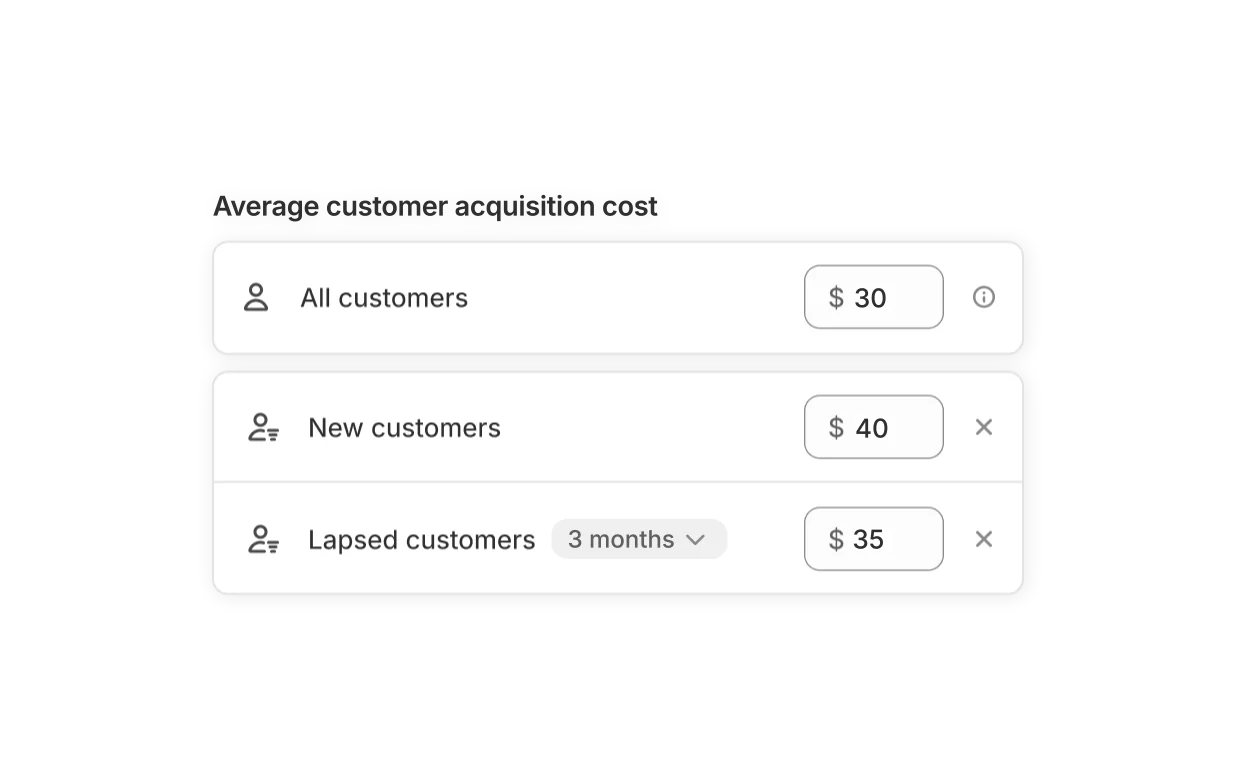
As the merchant, you set a daily budget and a target average customer acquisition cost: the amount you aim to pay for a customer acquired through the campaign. Individual charges can be higher or lower than that average.
The commission shown to a developer is a separate amount. Don't use it to calculate what your store will be charged.
The current restrictions
| What to check | Current position |
|---|---|
| Campaign market and currency | The added Shop Campaigns commission applies to active campaigns in the United States, in US dollars (USD). |
| Where the purchase happens | The added commission requires the buyer to complete the purchase in Shop, either on shop.com or in the Shop app. |
| Merchant eligibility | Shop Campaigns requires a supported business location and currencies, Shopify Payments, direct checkout on Shop, Shopify Network Intelligence and compliance with its policies. |
| Choosing advertising platforms | Opting into advertising on other platforms includes all supported third-party platforms. It is not an AI-only placement switch. |
| Channels that stay included | Shop and Shopify Product Network are included automatically and cannot be removed from the campaign. |
Shopify calls promoted placements a beta in its announcement. The developer guide still uses the label Developer Preview. Access for developers remains limited and invite-led, so availability depends on the shopping tool taking part.
Does the US market restriction mean the merchant must be based in the US?
Shop Campaigns supports merchants in several countries and currencies. The US market and currency restriction above concerns the additional campaign-funded commission through this program. Check your store's eligibility and target market separately.
Will your products appear in ChatGPT?
Shopify's Help Center lists ChatGPT as a supported optional Shop Campaigns platform for US shoppers. That tells you where ads may run. It doesn't promise that your product will appear in a particular conversation.
The October 27 Catalog API announcement adds a route for participating shopping tools to earn campaign-funded commission. It doesn't establish that every ChatGPT shopping recommendation uses that route. A product recommendation on its own also isn't evidence that the merchant paid for it: the catalog has unpaid results too.
What I'd check before running a campaign
Start in the Shop channel's Advertising section. Review your eligibility, campaign countries, daily budget and average acquisition cost. If you're already advertising on other platforms, this update is a reason to review where that campaign can run.
I'd judge a test by the orders and costs it produces, then account for product costs, delivery and refunds. Shopify's campaign Sales metric includes refunded and canceled orders, so sales and return on ad spend alone don't tell you the profit left over.
Read the billing rules before starting. Clicks can lead to attributed charges for seven days, including after a campaign is paused or ended. Shopify says merchant acquisition costs are not refunded when an attributed order is canceled or refunded.
- Save the campaign settings and dates so you know what was running.
- Review spend, attributed orders and acquisition cost in the Shop channel.
- Check actual order outcomes and refunds before increasing the budget.
- Avoid treating a campaign-wide result as proof that a particular AI assistant drove it.
Sources and scope
This explainer follows Shopify's October 27, 2026 announcement and the official documentation linked in each section, checked the same day. The images are Shopify's simplified interface examples, not captures of the new AI placement beta. We haven't run a campaign or tested an AI shopping client. Beta access and rules can change; confirm them before setting up a campaign.